
Sensory-friendly entertainment for kids can create a calmer and more flexible way for children and families to enjoy birthdays, schools, libraries, camps, and community events. With gentler pacing, optional participation, thoughtful sound levels, and room for breaks, entertainment can be adapted for guests with different sensory preferences.
The goal is not to make every event completely quiet. Instead, sensory-friendly planning gives children more ways to participate comfortably and enjoy the experience at their own pace.
For more ideas, see these sensory-friendly party ideas.
Why Sensory-Friendly Entertainment for Kids Matters
Inclusive events work best when children have choices. Some guests may want to join activities right away, while others may prefer to observe first or take breaks.
Thoughtful changes to lighting, sound, pacing, and participation can help create a more comfortable environment for different sensory needs.
Creating Inclusive Children’s Spaces
An inclusive event space should give children room to participate in different ways. Clear walkways, comfortable seating, quieter areas, and softer lighting can all help.
It can also be useful to reduce unnecessary background noise and avoid overcrowding activity areas.
Because each child responds differently, organizers should consider the needs of their specific audience rather than using the same setup for every event.
Autism-Friendly Party Ideas
Autism-friendly party planning can include clearer routines, flexible activities, and fewer unexpected transitions.
A visual schedule can show children what will happen next. Quiet games, sensory tools, and optional participation can also give guests more control over how they experience the event.
For entertainment, a gentler bubble show may work well for some children because it offers strong visual interest without requiring constant participation.
You can explore more autism-friendly recreational activities.
Benefits of Gentle Kids Entertainment
Gentle entertainment can still be fun and engaging. The main difference is that the experience may use calmer pacing, lower sound levels, and fewer sudden changes.
A sensory-friendly bubble show can include visual demonstrations, giant bubbles, and optional interaction. Guests can watch, participate, or step back depending on their comfort level.
Designing Memorable Sensory-Friendly Experiences
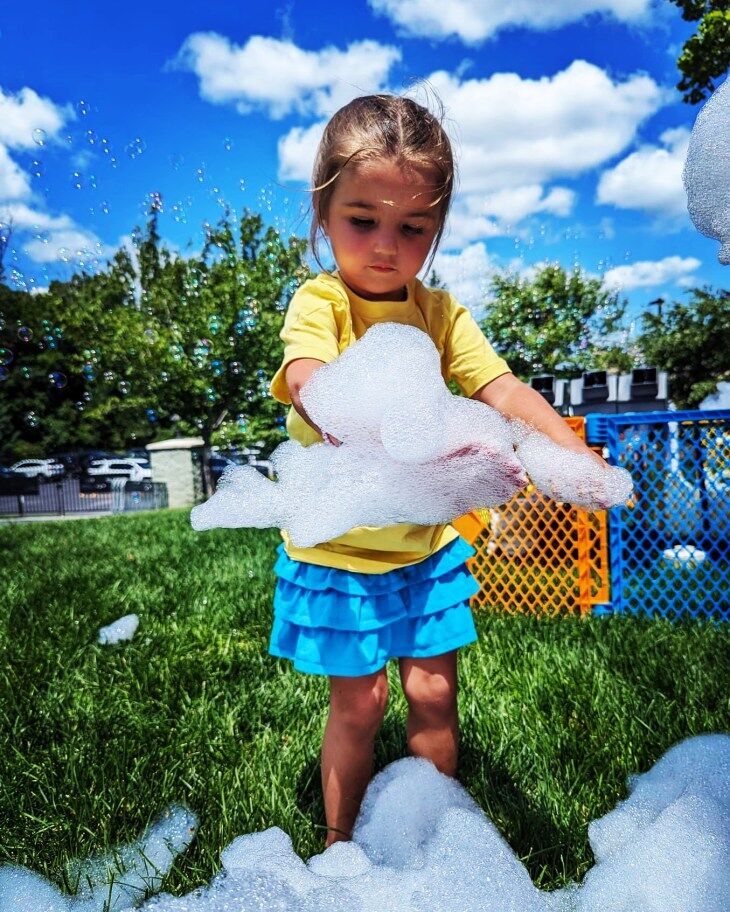
A memorable event does not need to be loud or fast-paced. Children can enjoy visual activities, hands-on experiences, and simple interactive moments in a calmer setting.
Interactive Bubble Show Magic
Interactive bubble shows can give children several ways to engage. They may watch bubbles float, help with a demonstration, pop bubbles, or simply observe from a comfortable distance.
The show can also introduce simple science concepts such as shapes, air, movement, and surface tension.
Participation should remain flexible so children can choose the level of involvement that feels comfortable.
Adaptable Activities for Kids
Adaptable activities make it easier for children to join in different ways. Crafts, simple games, and sensory stations can all be adjusted based on age, ability, and comfort level.
For example, a child might choose between touching materials, watching another person demonstrate the activity, or skipping it entirely.
This kind of flexibility can help create a more welcoming atmosphere.
Using a Visual Schedule
A visual schedule can help children understand the order of activities. Pictures, icons, and simple words can show what is happening now and what comes next.
This can make transitions more predictable for some children and help reduce uncertainty during the event.
Visual schedules can be useful for many guests, not only children with disabilities or sensory sensitivities.
Planning a More Inclusive Kids Event
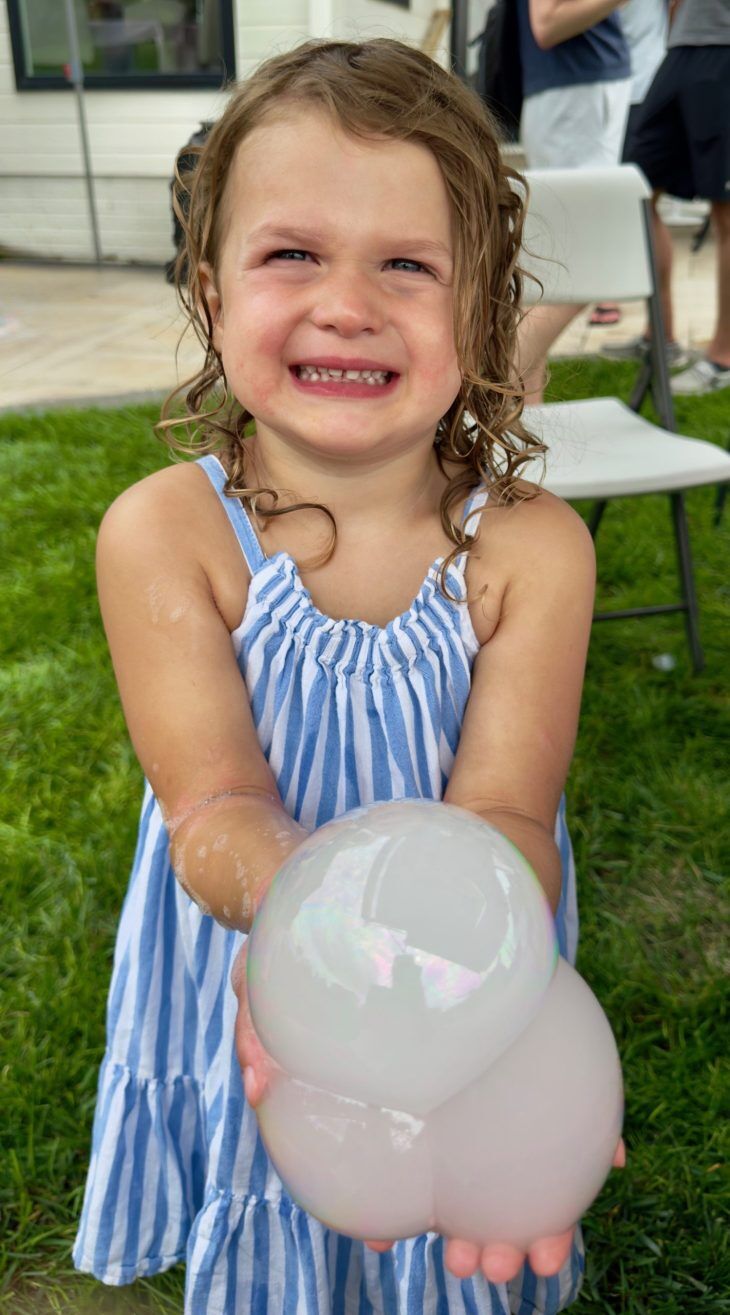
Good planning can make the event easier for children, parents, performers, and organizers. Start by thinking about the venue, audience, schedule, and available quiet spaces.
Quiet Zone Ideas
A quiet zone can give guests a place to step away from the main activity when they need a break.
Choose an area away from speakers, heavy foot traffic, and busy activity stations. Comfortable seating, softer lighting, books, coloring materials, or noise-reducing headphones may also be useful.
The quiet zone should feel like an option, not a separate area where children are expected to stay.
Booking Sensory-Friendly Entertainment
Before booking an entertainer, ask whether the show can be adjusted for sensory needs. Share details about the age range, audience size, venue, and any known preferences.
A professional entertainer should be able to explain how pacing, sound, participation, and setup can be adapted.
Safe and Professional Kids Entertainment
Safety and professionalism are important for any children’s event. Look for entertainers who communicate clearly, carry appropriate insurance, understand their setup requirements, and have experience with similar audiences.
If an entertainer uses bubble solutions or other materials, ask about the products and how the activity area is managed.
Avoid assuming that any entertainment option is completely risk-free. Good preparation and supervision still matter.
Sensory-Friendly Entertainment in NJ, NY, and CT
Bubble Show Plus provides sensory-friendly entertainment for birthdays, schools, libraries, camps, community programs, and family events throughout New Jersey, New York, and Connecticut.
The show format can be adapted based on the venue, age group, audience size, participation preferences, and sensory considerations.
For more ideas, read our guide to sensory-friendly bubble entertainment.
You can also explore why sensory-friendly bubble shows can support inclusive events.
Looking for sensory-friendly entertainment for kids? Contact Bubble Show Plus to discuss your audience, venue, event schedule, and participation preferences.
Frequently Asked Questions
What is sensory-friendly entertainment?
Sensory-friendly entertainment can use gentler sound levels, softer lighting, slower pacing, predictable transitions, and flexible participation. The exact adjustments should depend on the audience.
How can I create an autism-friendly party?
Consider using a visual schedule, quiet areas, flexible activities, reduced background noise, and optional participation. Ask families about specific preferences when possible.
Why are quiet zones helpful?
Quiet zones give guests a place to take a break from the main activity. They can be especially useful when the event includes loud sounds, crowds, or lots of movement.
Can bubble shows be sensory-friendly?
Yes. Bubble shows can be adapted with gentler pacing, lower sound levels, optional participation, and other adjustments based on the audience.
Are visual schedules useful for children’s events?
They can be. Visual schedules can help some children understand what is happening next and make transitions feel more predictable.
What should I ask before booking an entertainer?
Ask about experience, insurance, setup needs, show length, participation level, sensory adjustments, and how the performer handles indoor or outdoor conditions.
What areas does Bubble Show Plus serve?
Bubble Show Plus provides entertainment throughout New Jersey, New York, and Connecticut.